Key Silhouette: A Pro Review for Branded Merch
As an embroidery designer who spends most of my days digitizing logos and testing files for small business clients, I am always on the lookout for versatile machine embroidery design assets that bridge the gap between aesthetic appeal and practical application. Recently, I took a close look at the Key Silhouette, a file categorized under House and Embroidery, to evaluate its potential for commercial use. For boutique owners, café operators, and handmade brands, finding a graphic that works equally well on a staff uniform and a retail product is gold. This review breaks down how this specific silhouette performs in real-world scenarios, from custom apparel to branded patches.
First Impressions and Visual Personality
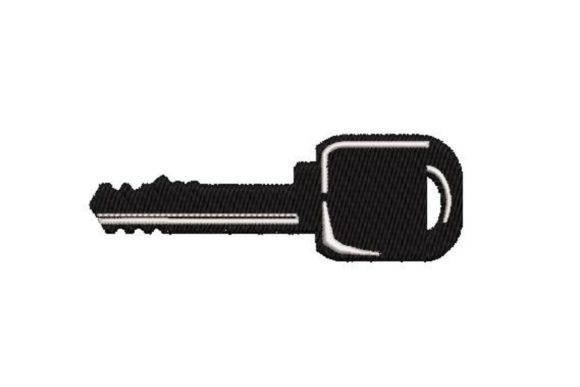
The first thing that strikes me about the Key Silhouette is its inherent versatility. The description notes that it is "ready for your next embroidery project" and promises to "stitch out wonderfully," which sets a high bar for quality. Visually, a key shape often conveys concepts of access, security, home, or unlocking potential. Depending on how you style it, this design can feel rustic and handmade for a florist, or sleek and modern for a real estate agency or creative studio. It avoids being overly decorative, leaning instead into a clean, iconic form that reads well even from a distance. For a small business owner, this neutrality is a strength; it allows the brand's colors and fabric choices to dictate the mood rather than the design itself fighting for attention.
Real-World Business Applications
When evaluating a digital embroidery file for commercial purposes, I always ask: "Where does this actually live on a product?" The Key Silhouette shines in several specific areas of small business merch:
- Embroidered Patches: This is arguably the strongest use case. A key silhouette makes for an excellent iron-on or sew-on patch. Because it is a singular shape without complex internal detailing mentioned in the brief, it holds up well when cut into a custom shape. Imagine a local bakery adding these to their apron pockets or a pet brand selling them as collectible accessories.
- Staff Uniforms and Aprons: For service industries like cafés or boutiques, apron embroidery needs to be durable and legible. Placing the Key Silhouette on the chest or sleeve of a work shirt provides a subtle branding element that feels premium rather than corporate. It acts as a visual anchor for the brand identity without overwhelming the garment.
- Cap Embroidery: Caps are tricky due to the curved surface, but a solid silhouette like this often translates well to the front panel. It offers a clean look that doesn't get lost in the curve, making it ideal for delivery drivers or outdoor event staff.
- Tote Bag Design: Canvas totes are a staple for market vendors. Using this design as a central motif or a corner accent adds value to a simple bag, turning it into a walking advertisement for the shop.
Technical Considerations for Production
While the product description claims it will stitch out wonderfully on any fabric, experienced decorators know that context matters. Before running a production batch of commercial embroidery, there are critical factors to consider regarding the Key Silhouette.
Fabric Texture and Contrast: The success of this design relies heavily on thread colors contrasting against the material. On dark uniforms, you must ensure the fill density is sufficient to prevent the fabric from showing through, which can make the logo look cheap. Conversely, on textured fabrics like Terry cloth or heavy canvas, fine details might get lost. Since this is a silhouette, it should theoretically handle texture better than intricate line art, but testing is non-negotiable.
Size and Scaling: If you intend to use this as a tiny label on a handmade product or a small tag on packaging, you need to verify the minimum viable size. Silhouettes can sometimes become indistinguishable blobs if scaled down too far, especially if the stitch density causes the threads to merge. Always check if the design retains its "key" identity at one inch or smaller.
Stabilizer and Hooping: The note about sewing to "any type of fabric" is encouraging, but the right stabilizer is what actually makes that possible. For stretchy fabrics used in custom apparel, a cut-away stabilizer is likely necessary to prevent distortion over time. For woven tote bags, a tear-away might suffice. You must also confirm the required hoop size before committing to a specific garment, especially if you are working with limited space on a cap visor or a narrow apron strap.
Impact on Brand Identity and Customer Trust
In the world of Etsy sellers and craft businesses, the finished product is the primary touchpoint for customer trust. A poorly stitched logo can undermine perceived value instantly. However, a crisp, well-executed Key Silhouette elevates the entire presentation. It signals professionalism and attention to detail. When customers see consistent branding across an apron, a tote bag, and a product patch, it reinforces brand identity. It tells the buyer that the business cares about quality, which justifies higher price points and fosters loyalty. Furthermore, using a recognizable symbol like a key can create a subconscious association with "unlocking" quality or gaining access to exclusive goods, enhancing buyer engagement.
Designer Notes and Best Practices
To ensure the Key Silhouette meets your business standards, follow these practical steps before full-scale production:
- Test in Black and White: Stitch a sample using only black thread on white fabric (and vice versa). This reveals the true structure of the design without the distraction of color, helping you spot gaps or density issues.
- Verify Commercial Licensing: The description mentions it is ready for projects, but always confirm the specific license terms. Ensure you have the rights to use this design asset for resale items like patches or branded merchandise.
- Create a Printable Mockup: Before stitching, place the design digitally on a photo of your actual product. This helps visualize scale and placement, ensuring it looks balanced on a tote bag design versus a cap.
- Check File Formats: The text cuts off slightly regarding the specific machine compatibility ("This machine embroidery design c..."). Do not assume it fits your machine. Verify the included formats (PES, DST, EXP, etc.) match your equipment.
- Compare Alongside Other Assets: Place this silhouette next to your existing logo or typography. Ensure the line weight and style complement your other branding elements rather than clashing with them.
In conclusion, the Key Silhouette presents itself as a robust candidate for small business branding. Its simplicity is its greatest asset, allowing it to adapt to various industries from hospitality to retail. However, its success depends entirely on proper execution—choosing the right stabilizer, testing on actual fabric textures, and respecting the limits of scale. For the savvy entrepreneur willing to test and refine, this embroidery file can become a cornerstone of a cohesive and professional merchandise line.