Funny Egg: A Whimsical Embroidery Design for Kitchen Crafts
As I prepare my booth for the upcoming weekend craft fair, I am constantly evaluating which digital embroidery file will stop customers in their tracks. Among the stacks of hoops and bins of thread, the Funny Egg design immediately caught my eye. In the world of handmade markets, humor is a powerful sales tool, especially when it brings a touch of whimsy to everyday items. This review breaks down how this adorable motif performs as a craft fair product, focusing on its visual appeal, production practicality, and potential to boost your Etsy seller metrics or boutique revenue.
First Impressions and Market Mood
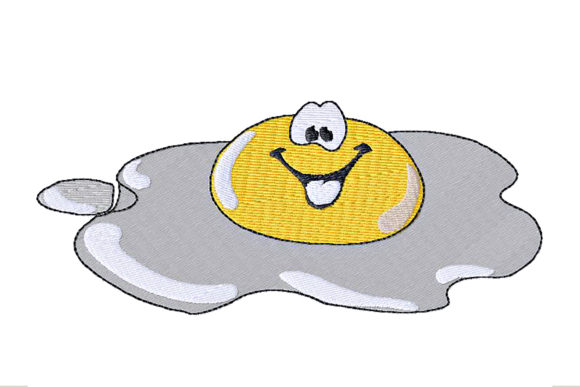
The first thing you notice about Funny Egg is its undeniable charm. Based on the description promising laughter and joy, this design leans heavily into a cute, playful aesthetic rather than a formal or elegant one. It feels perfectly suited for the modern farmhouse trend that continues to dominate the Kitchen category. When I hold the sample up against a linen tea towel, the character exudes a soft, approachable vibe that invites a smile. For a small shop product, having an item that triggers an emotional response—like amusement—is half the battle won. It does not scream "luxury" in a traditional sense, but it screams "gift," which is exactly what holiday shoppers and fair-goers are looking for.
Ideal Applications for Maximum Sales
Determining where to place this design is crucial for converting browsers into buyers. Here is how Funny Egg performs across various substrates:
- Apron Embroidery: This is arguably the strongest contender. An apron serves as a canvas for personality in the kitchen. Placing the funny egg on the bib or the lower pocket creates an instant focal point that tells a story.
- Tea Towel Embroidery: Kitchen towels are high-volume sellers at fairs. The design works well centered on a flour sack towel, offering a quick, affordable gift option under $20.
- Tote Bag Design: While often used for groceries, a tote with this motif becomes a fun market bag for carrying produce or bakery items. It adds character to a plain canvas bag.
- Embroidered Patch: If you offer iron-on or sew-on patches, this design is small enough to be cost-effective while still being recognizable. Patches are excellent add-on sales at the checkout counter.
- Caps and Pouches: On a curved cap surface, the design needs to be simplified to avoid distortion, but it can work as a quirky accent. Small fabric pouches for storing tea bags or spices also benefit from this cute imagery.
Production Practicality and Batch Efficiency
For those of us running a business, time is money. The Funny Egg appears to be a design built for efficiency. Its shapes seem bold and clear, suggesting it would not require excessive trimming or jump stitches that slow down production. This makes it an ideal candidate for batch production, allowing you to stitch out dozens of units before the fair without machine downtime. As a machine embroidery design, it seems versatile enough to scale; it can act as a small accent on a napkin set or a larger focal design on a pillow cover. However, clarity is key. If the design relies on tiny details to convey the "funny" expression, those might get lost when scaled down for a small pouch. Always test different sizes to ensure the facial features remain distinct.
Photography and Online Listings
In the digital realm, particularly for an Etsy seller, visual appeal dictates clicks. The Funny Egg photographs exceptionally well because of its high-contrast potential. When creating a printable mockup or shooting real photos for your listing, pair the design with solid, neutral background fabrics like cream, sage green, or slate blue to make the thread colors pop. Avoid busy patterns that compete with the character. A well-lit photo of this design on a textured waffle weave towel can convey a sense of cozy, handmade quality that stock photos simply cannot match. Ensure your design assets include close-ups of the stitching to prove the quality of your finished product.
Critical Considerations for Execution
While the design is promising, there are technical hurdles every professional must address before selling. You must be vigilant about stitch density. If the egg shape is too dense, it can cause puckering, especially on lighter fabrics like cotton tees or thin tea towels. Conversely, if it is too sparse, the backing might show through on dark fabrics.
Here are specific areas requiring careful attention:
- Fabric Texture: Textured towels can sometimes swallow small details. Ensure the satin stitches defining the egg's features are wide enough to sit on top of the fabric texture rather than sinking into it.
- Curved Surfaces: If applying this to caps, remember that the curvature distorts circular shapes. You may need to adjust the pull compensation in your software or choose a slightly taller version of the design to counteract the squash effect.
- Dark Fabric: The description mentions delighting children, implying bright, cheerful colors. On black or navy fabric, you must ensure there is an adequate underlay or a light-colored outline to prevent the design from looking muddy.
- Small Lettering: If the design includes any text (e.g., "Funny Egg" or a pun), verify that the lettering is large enough to be legible. Tiny text often fills in and becomes unreadable after washing.
Designer Notes for Quality Control
Before committing to a full production run, I always recommend a rigorous testing phase. Start by stitching the Funny Egg on scrap fabric that matches your intended sale items. Check the thread contrast; sometimes the digital preview looks vibrant, but the physical thread lacks the necessary punch. Review the spacing between elements to ensure no threads bridge gaps unintentionally. Confirm the required hoop size fits your machine's capabilities, especially if you plan to do multi-item hooping for speed.
Stabilizer choice is non-negotiable. For kitchen items that will be washed frequently, a cut-away stabilizer is often safer than tear-away to maintain the integrity of the design over time. Create at least one real mockup to see how the item hangs and feels in hand. Does the embroidery make the fabric stiff? If so, consider a softer stabilizer or reducing the density. Finally, and most importantly, confirm the commercial licensing terms of the digital embroidery file. Ensure you have the right to sell the commercial embroidery products created with this design, as license terms vary wildly between designers.
In conclusion, Funny Egg is a standout contender for your next market table. It hits the sweet spot between cute and functional, appealing to a broad demographic looking for unique kitchen decor. With careful attention to fabric choice, stabilizer selection, and presentation, this design can become a reliable bestseller in your handmade product lineup, bringing both joy to your customers and profit to your business.