Ornamental Flowers: A Pro Review for Business Merch
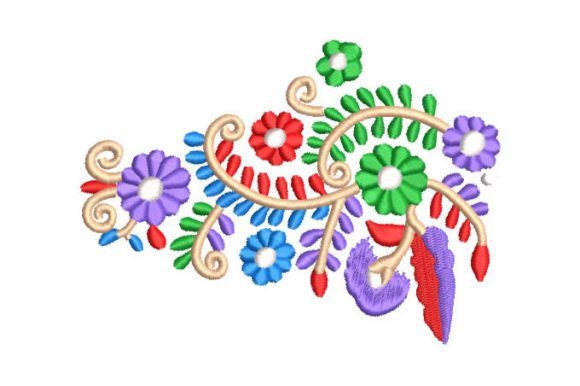
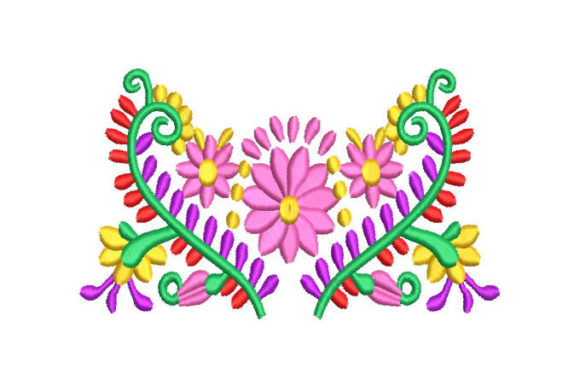
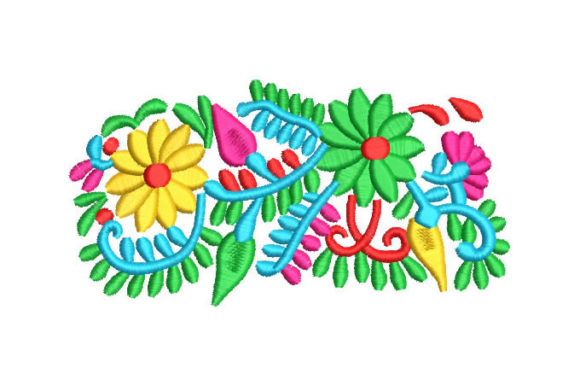
As an embroidery designer who has spent years digitizing and reviewing files for commercial use, I approach every new machine embroidery design with a critical eye. It is not just about whether a pattern looks pretty on a screen; it is about how that digital embroidery file translates into a tangible asset for a brand. Today, I am reviewing Ornamental Flowers, a splendid floral piece categorized under Bouquets, to see if it holds up as a viable tool for small business merchandise, branded patches, and professional apparel.
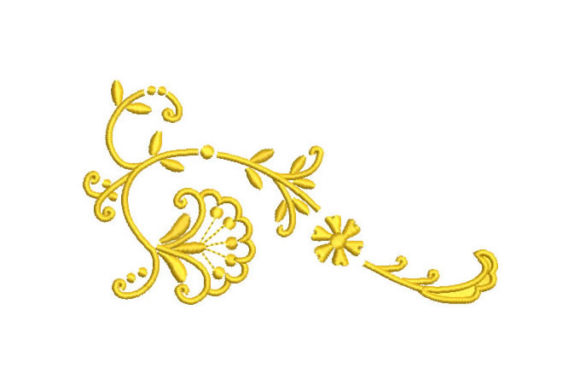
My first impression of Ornamental Flowers is one of classic elegance mixed with a touch of rustic charm. The description promises a design that beautifully decorates pillows, bedsheets, and curtains, which suggests a flow meant for home décor. However, when I look at this through the lens of a business owner running a boutique, a café, or a creative studio, I see potential beyond the living room. The visual personality feels handmade yet premium, offering a softness that can humanize a brand identity. For Etsy sellers and crafters, this aesthetic is gold, but for uniformed staff or corporate merch, we need to dig deeper into its technical performance.
Evaluating Real-World Business Applications
Let's imagine a local florist or a high-end bakery looking to elevate their small business merch. Ornamental Flowers could serve as a stunning centerpiece for an embroidered patch sewn onto canvas tote bags. In this context, the floral motif reinforces the nature of the business while adding a layer of artisanal quality that customers love. Unlike a generic logo, this design adds texture and depth, turning a simple bag into a handmade product that people actually want to carry.
For hospitality businesses, such as a boutique hotel or a tea room, this design shines in apron embroidery. A single bloom or a clustered arrangement placed on the chest or hip of a linen apron creates an immediate sense of care and attention to detail. It tells the customer that the establishment values beauty and craftsmanship. Similarly, for cap embroidery, if the design is scaled correctly, it can act as a sophisticated side accent rather than a loud front logo, appealing to a demographic that prefers subtle branding over aggressive marketing.
I also see strong potential for this design in the realm of customer gifts and event merch. Imagine a limited edition run of throw pillows for a interior design firm's clients, featuring Ornamental Flowers as a exclusive mark of appreciation. Because the description highlights its suitability for rugs and curtains, we know the design is likely robust enough for heavier fabrics, making it versatile for various custom apparel and home goods lines.
Critical Considerations for Commercial Embroidery
While the artistic merit is clear, a professional review must address the technical hurdles of commercial embroidery. The description notes that one must "stitch it carefully," which is a red flag for high-volume production if not managed properly. When adapting Ornamental Flowers for small patches or tight spaces like a polo shirt pocket, stitch density becomes a major concern. Floral designs often rely on satin stitches for petals, which can become bulky. If the density is too high, the fabric may pucker, especially on lightweight materials like performance tees or thin cotton blends.
Curved surfaces present another challenge. Applying this design to the front of a structured cap requires a design that can handle the curvature without distortion. If the floral elements have long, sweeping lines, they might bridge or gap on the curve. Furthermore, if your brand relies on dark uniforms, you must scrutinize the thread colors included in the file. Does the design offer enough contrast? A dark blue flower on a black navy shirt will vanish. You may need to request color variations or manually adjust the thread chart to ensure visibility and brand consistency.
Another factor is durability. Items like aprons and tote bags undergo frequent washing and wear. A design intended primarily for bedsheets might utilize fill patterns that are less dense than those required for industrial laundering. Before committing to a large order of staff uniforms, it is crucial to test the finished product through multiple wash cycles to ensure the flowers do not fray or lose their definition.
Impact on Brand Identity and Customer Trust
In today's market, visual consistency is key to building trust. Using a cohesive set of design assets helps customers recognize your brand instantly. Ornamental Flowers can be a powerful component of this visual language if used strategically. For a brand centered around wellness, organic products, or artisanal goods, this floral motif communicates warmth and approachability. It softens the corporate edge and invites engagement.
However, professionalism is paramount. A poorly executed embroidery job can damage a reputation faster than no logo at all. If Ornamental Flowers is stitched with cheap thread, improper tension, or on the wrong fabric, it looks amateurish. Conversely, when executed perfectly with high-quality stabilizers and precise digitizing, it elevates the perceived value of the item. A customer is more likely to trust a bakery that hands them a pastry in a bag adorned with exquisite, crisp embroidery than one with a peeling vinyl print.
Practical Designer Notes for Implementation
Before you purchase this embroidery file for your next production run, here is my checklist for ensuring success:
- Test in Black and White: Convert your printable mockup to grayscale first. This reveals if the design relies too heavily on color for definition or if the shapes stand on their own.
- Check Small Scale Viability: Resize the design to the smallest dimension you intend to use (e.g., a 2-inch patch). Look for lost details or merging lines.
- Review Thread Contrast: Ensure the suggested thread palette works on your specific garment colors, not just white fabric.
- Inspect Spacing: Zoom in on the digitized file to check for adequate spacing between elements to prevent thread buildup.
- Confirm Hoop Size: Verify that the design fits within your machine's available hoop size options without requiring excessive re-hooping.
- Test on Real Fabric: Never judge a design solely on a screen. Stitch a sample on the exact fabric texture you plan to use.
- Use Proper Stabilizer: Given the likely density of a floral bouquet, invest in high-quality cut-away or tear-away stabilizer to support the stitches.
- Create Client Mockups: Present a realistic digital mockup to your client or team for approval before stitching the final run.
- Compare Assets: Place Ornamental Flowers beside your existing logos to ensure visual harmony.
- Verify Licensing: Most importantly, confirm the commercial licensing terms. Just because a file is available for purchase does not automatically grant rights for unlimited resale or mass production.
The product description mentions that the design comes with certain attributes, but it cuts off before specifying exact stitch counts, supported formats, or specific license tiers. Therefore, I strongly advise contacting the vendor or reading the full product page to confirm these technical details. Knowing whether you are getting PES, DST, or EXP formats, and understanding the stitch count implications for your machine's speed, is vital for planning production timelines.
In conclusion, Ornamental Flowers is a versatile and aesthetically pleasing option for businesses looking to add a touch of organic beauty to their merchandise. Whether used for a florist's tote bag, a café's apron, or a boutique's pillow line, it has the potential to enhance brand perception significantly. However, its success lies in the execution. By respecting the limitations of fabric texture, managing stitch density, and rigorously testing the output, small business owners can transform this digital file into a physical emblem of quality and care.