Christmas Gifts: A Pro Review for Branded Merch
As an embroidery designer who spends most of my days digitizing logos and prepping files for commercial runs, I approach every new machine embroidery design with a critical eye. It is not just about whether a pattern looks pretty on a screen; it is about how it performs under the needle, how it wears after fifty washes, and crucially, how it elevates a brand. Recently, I took a close look at the Christmas Gifts design, a file described as a "merry and musical" representation of the holiday season. For small business owners, Etsy sellers, and apparel decorators looking to expand their seasonal offerings, this review breaks down whether this digital embroidery file is ready for prime time in your product lineup.
First Impressions: Visual Personality and Brand Fit
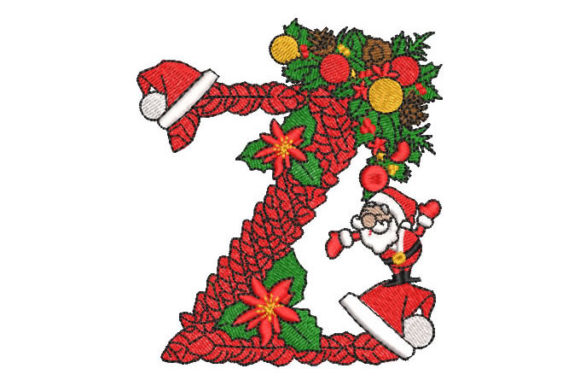
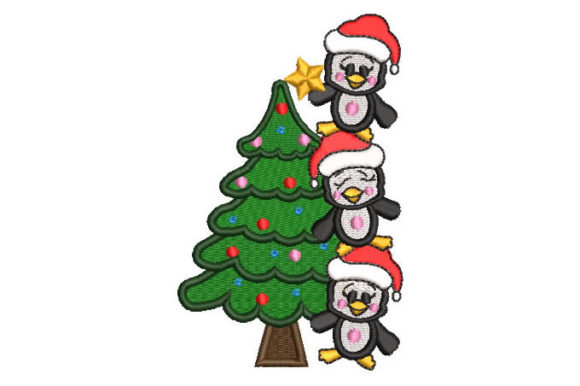
The moment you load Christmas Gifts into your editing software, the vibe is immediately clear. Based on the description promising a "festive touch," this design leans heavily into the classic, decorative side of the holiday spectrum. It feels less like a modern, minimalist graphic and more like a traditional, heartwarming illustration. For brands that position themselves as handmade, rustic, or family-oriented—think local bakeries, boutique florists, or artisanal craft studios—this aesthetic is gold. It communicates warmth and nostalgia, which are powerful drivers for holiday sales.
However, for a corporate uniform or a high-end fashion label, the "musical" and "merry" elements might feel too playful unless used as a specific accent. The strength of Christmas Gifts lies in its ability to humanize a brand. When a customer sees this level of detail on a tote bag or an apron, it signals that care went into the finished product. It transforms a generic item into a handmade product that feels special, which is exactly what consumers are hunting for during the gift-giving season.
Real-World Application for Small Business Merch
So, where does Christmas Gifts actually work in a commercial setting? I envision this design thriving in several key areas of small business merch:
- Staff Uniforms and Aprons: For a coffee shop or bakery, placing this design on the chest of an apron adds instant seasonal cheer without overwhelming the worker's identity. It serves as a conversation starter for customers.
- Embroidered Patches: This is perhaps the strongest use case. By stitching Christmas Gifts onto a twill backing, you create a removable asset. Cafés can sell these as limited-edition collectibles, or attach them to denim jackets and beanies for a trendy, customizable look.
- Tote Bag Design: Canvas totes are holiday staples. A central placement of this design turns a simple grocery bag into a festive carrier for gifts, increasing the perceived value of the item significantly.
- Cap Embroidery: If the design elements are compact enough, a simplified version could work beautifully on the front panel of a dad hat or beanie, offering a subtle nod to the season.
- Customer Gifts: Boutique owners can use this to brand their packaging accents or include a small embroidered ornament as a "thank you" note with high-ticket purchases.
The versatility here is high, provided you match the design's whimsical nature with the right substrate. It shines on natural fibers like cotton, linen, and canvas, where the texture complements the "merry" theme.
Technical Considerations and Production Challenges
While the artistic merit is strong, a professional review must address the technical hurdles. The description notes that the design comes with multiple formats (implied by "comes with mu"), but before you hit start on your machine, there are critical factors to verify regarding stitch density and thread colors.
First, consider the hoop size. Holiday designs often feature sprawling elements like holly branches or musical notes. Ensure your frame can accommodate the full width without needing to split the design, which can lead to registration errors. Second, evaluate the stitch density. If the "musical" elements involve fine details or small text, running this on a textured fabric like a heavy wool coat or a rough canvas tote might cause the stitches to sink or blur. In such cases, a high-quality cut-away stabilizer is non-negotiable to maintain crisp lines.
There are also specific scenarios where you should proceed with caution:
- Small Patch Sizes: If you intend to shrink this for a tiny label or a child's garment, the intricate details may merge. Always stitch a test run at 50% scale to check for clarity.
- Curved Surfaces: Applying this to a structured cap front requires careful hooping. The curvature can distort wide designs, so centering is vital.
- Dark Uniforms: The color palette suggested by "merry and musical" likely includes bright reds, greens, and golds. While these pop on dark navy or black, ensure your digitizing includes proper underlay to prevent the dark fabric from showing through the lighter thread colors.
- Frequent Washing: Items like aprons and work shirts take a beating. Verify that the satin stitches are not too long, as they are prone to snagging in industrial laundry cycles.
Elevating Brand Identity and Customer Trust
In the crowded marketplace of holiday goods, consistency is king. Using a cohesive design asset like Christmas Gifts across your social media printable mockup, your website banners, and your physical merchandise creates a unified brand story. It tells the customer that your business is attentive and festive.
Furthermore, high-quality custom apparel builds trust. When a customer receives a tote bag with a professionally executed embroidery job, they associate that quality with your entire brand. It moves the perception from "mass-produced" to "artisan-crafted." For Etsy sellers and creative studios, this distinction is the difference between a one-time buyer and a loyal follower. The tactile nature of embroidery adds a layer of luxury that printed ink simply cannot match, thereby increasing the perceived value and allowing for a higher price point on your seasonal items.
Designer Notes for Commercial Success
Before integrating Christmas Gifts into your production schedule, I recommend a strict testing protocol. First, test it in black and white or grayscale on your monitor to check the contrast and ensure the shapes hold up without relying on color differentiation. Next, check if it works at small patch size by stitching a miniature version; if the details vanish, you may need to request a simplified edit from the digitizer.
Always review thread color contrast against your specific fabric swatches. What looks vibrant on white cotton might disappear on heather grey. Inspect spacing between elements to ensure no bridging issues occur during high-speed running. Crucially, confirm commercial licensing before business use. Since this is intended for resale or branding, you must ensure the license allows for unlimited production runs or specific commercial applications.
Finally, create a mockup for client approval if you are doing this for a third party. Seeing the design digitally superimposed on the actual garment helps manage expectations. Compare Christmas Gifts beside your other design assets to ensure it doesn't clash with your existing logo or brand guidelines.
In conclusion, Christmas Gifts offers a charming, festive solution for businesses looking to inject holiday spirit into their merchandise. With its "merry and musical" theme, it is perfectly suited for patches, aprons, and totes that celebrate the handmade aesthetic. However, success lies in the details: respecting the limitations of fabric texture, choosing the right stabilizer, and verifying the technical specs of the embroidery file before full-scale production. By treating this design with the professional scrutiny it deserves, you can turn a simple holiday motif into a profitable, brand-building asset.