White Sheep: The Perfect Farmhouse Embroidery Design
As I stand in my studio surrounded by stacks of blank tote bags, linen aprons, and piles of tea towels, I am mentally preparing for this weekend's craft fair. The pressure is always on to curate a booth display that stops customers in their tracks. Among the dozens of digital embroidery files on my hard drive, one design keeps catching my eye: White Sheep. This adorable machine embroidery design from the Baby Animals category feels like the secret weapon I need to elevate my handmade product line.
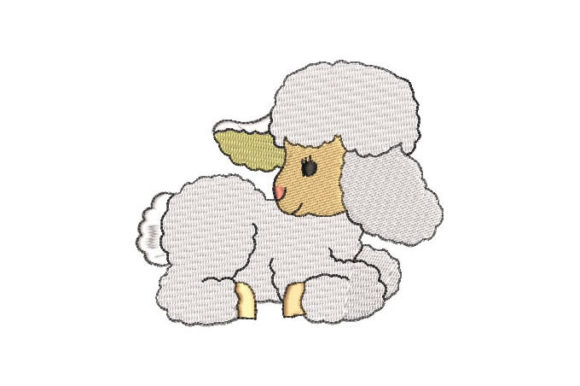
My first impression of White Sheep is immediate and visceral. It radiates innocence and rustic charm. In a market saturated with bold, modern graphics and sarcastic text designs, there is a refreshing hunger for softness. This design feels undeniably farmhouse. It possesses a gentle, decorative quality that screams "home" without trying too hard. For an Etsy seller or boutique maker, this kind of emotional resonance is gold. It isn't just a picture of an animal; it is a mood setter that fits perfectly into the current trend of cozy, curated living spaces.
Visual Impact on Craft Fair Products
When evaluating where White Sheep will perform best, I have to think like a customer walking down the aisle of a busy market. What makes them stop? The versatility of this embroidery file is its strongest asset. On a natural canvas tote bag design, the white sheep pops beautifully against the neutral background. It transforms a generic grocery carrier into a charming handmade product that someone would proudly carry to the farmer's market.
I am also envisioning this on kitchen linens. Tea towel embroidery is a staple for any serious crafter, and this design is ideal for waffle weave or flour sack towels. The simplicity of the sheep allows the texture of the fabric to shine through while adding a focal point of interest. Similarly, for apron embroidery, placing the sheep on the bib or the lower pocket creates a whimsical touch that appeals to home cooks and professional bakers alike. It suggests a slow, intentional lifestyle that many buyers are striving to achieve.
Beyond soft goods, I see potential in harder-to-embroider items like caps and patches. An embroided patch featuring the white sheep could be a huge hit for parents looking to customize children's denim jackets or backpacks. However, when moving to curved surfaces like caps, one must be cautious. The design needs to be centered perfectly to avoid distortion. If executed well, a cap with this motif becomes a premium small shop product that stands out from mass-produced retail headwear.
Production Practicality and Batch Efficiency
For a craft fair vendor, time is money. We cannot spend twenty minutes trimming jump threads on every single item. White Sheep appears to be designed with production efficiency in mind. The lines look clean, suggesting a logical stitch path that minimizes unnecessary travel. This is crucial when you are trying to churn out fifty pillow covers or a hundred gift tags before a weekend event. A design that is repeatable and reliable allows for batch production, which is the backbone of a profitable commercial embroidery business.
Photography is another critical factor. In the age of online sales, your booth samples double as content for your social media and Etsy listings. This design photographs exceptionally well. Its high contrast and clear shapes translate beautifully into a printable mockup or a flat-lay photo. When potential customers scroll through their feeds, the innocent character of the sheep draws the eye, increasing click-through rates and buyer engagement. It serves as excellent design assets for marketing materials, helping to build a consistent brand aesthetic focused on warmth and quality.
Critical Considerations for Execution
Despite its charm, no design is without its challenges. As an experienced designer, I must approach White Sheep with a critical eye regarding technical execution. Since the subject is a white sheep, thread contrast is paramount. Stitching white thread on white fabric is a recipe for disaster unless the stitch types create enough shadow and depth. I strongly recommend testing this on cream, light gray, or soft pastel fabrics to ensure the details remain visible.
Furthermore, we must consider stitch density. If the design has large areas of solid fill, it can become stiff, especially on lightweight fabrics like children's clothing. Before committing to a full production run, it is essential to test the design on scrap fabric similar to your final material. Check how the stabilizer interacts with the fabric texture. On textured towels, a design that is too dense might pucker or lose clarity. Conversely, if the details are too fine, they might get lost in the loops of a thick terry cloth.
Small lettering, if included in the variation of this design, should be scrutinized. Tiny text often becomes illegible once stitched, especially at smaller hoop sizes. Always verify the hoop size requirements. While this design likely fits in a standard 4x4 hoop for patches or pockets, larger applications like pillow covers might benefit from a 5x7 or 6x10 hoop to maximize impact. Remember, the description mentions it is perfect for "any other fabric," but not all fabrics behave the same. Dark fabrics will require a different thread palette entirely, potentially losing the "white sheep" aesthetic unless you opt for a stylized outline version.
Final Verdict for the Handmade Entrepreneur
In the competitive landscape of craft fairs and online marketplaces, White Sheep offers a compelling blend of aesthetic appeal and practical utility. It enhances the visual appeal of any booth display, adding a touch of softness that invites customers to touch and feel the products. It elevates the perceived value of a simple tote bag into a thoughtful, handmade gift. For brand consistency, using this motif across various items—from pouches to wall hangings—creates a cohesive collection that tells a story.
However, success lies in the details. Do not assume the finished product will look exactly like the screen preview. You must confirm commercial licensing terms before selling items made with this file. Most designers allow finished goods, but restrictions on reselling the digital file itself are standard. Additionally, since specific technical data like exact stitch count or recommended needle size was not provided in the brief description, it is wise to reach out to the designer or run extensive tests.
Ultimately, White Sheep is more than just a cute image; it is a strategic tool for the creative entrepreneur. Whether you are stocking up for a holiday market or refreshing your online shop, this design has the potential to be a bestseller. It connects with the desire for innocence and homey comfort, making it a timeless addition to any Baby Animals themed collection. By respecting the technical limitations and leveraging its visual strengths, you can turn this single embroidery file into a cornerstone of your small business success.