Purse Carrying Embroidery Design Review for Makers
As an embroidery designer who spends more time hooping fabric than I do sleeping, I am always on the hunt for design assets that bridge the gap between artistic flair and commercial viability. When I stumbled upon Purse Carrying in the Accessories category on Creative Fabrica, my initial reaction was one of cautious optimism. We have all downloaded a digital embroidery file that looked stunning on the screen but turned into a bird's nest on the hoop. However, after reviewing the details and visualizing its application in real-world scenarios, I believe this design holds significant potential for small business owners and crafters looking to elevate their product lines.
First Impressions and Visual Mood
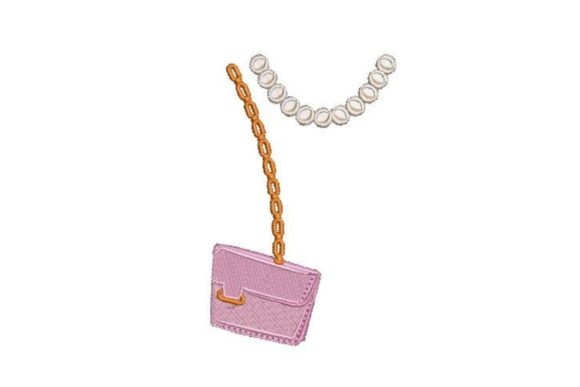
The first thing that strikes you about Purse Carrying is its inherent elegance. It does not scream for attention with chaotic colors or overly complex layering; instead, it exudes a sophisticated mood perfect for fashion-forward projects. The design features lovely details that suggest a high level of craftsmanship. For those of us who specialize in custom apparel and boutique merchandise, the visual appeal is paramount. This design feels like it was created with the modern consumer in mind—someone who appreciates handmade quality but demands a polished, professional look.
From a decorative standpoint, the stitching personality of Purse Carrying appears versatile. It seems to balance decorative elements with structural integrity, which is crucial when moving from a printable mockup to a physical finished product. Whether you are aiming for a subtle accent on a tote bag or a statement piece on a sweatshirt, the design's aesthetic fits naturally into the current trends of personalized fashion.
Real-World Application Scenarios
Let's talk about where this machine embroidery design truly shines. I immediately envisioned using Purse Carrying for a range of customer orders. For Etsy sellers and craft fair vendors, tote bags are a staple. This design would work beautifully as a central motif on a canvas tote bag design, adding that touch of flair mentioned in the product description without overwhelming the fabric.
Beyond bags, consider the potential for sweatshirt embroidery. The cozy texture of fleece or French terry provides a great backdrop for the intricate details of this pattern. It could also serve as a charming element on aprons for kitchen enthusiasts or as a delicate addition to nursery decor, such as pillow covers or baby blankets. The versatility extends to creating an embroidered patch; if you digitize a border or use a merrow edge finish, this design could become a standalone accessory that customers can iron onto jackets or hats.
For those running a commercial embroidery shop, the ability to scale a design across different products is key. Purse Carrying seems adaptable enough for seasonal handmade gifts, perhaps paired with monogramming for a truly personalized gift experience. The design's connection to the Accessories category makes it a natural fit for items that define personal style, from caps to layered clothing.
Technical Considerations for Stitching
While the visual promise is strong, any experienced embroiderer knows that the devil is in the details. Before committing to a production run, there are several practical factors to consider with Purse Carrying. Although the product description assures us it will "stitch out beautifully," we must remain vigilant about technical specifications.
Hoop Size and Layout: Always confirm the required hoop size before purchasing. If you are working with smaller items like caps or pockets, ensure the design fits within a 4x4 or 5x7 hoop if necessary. Curved cap surfaces can be tricky, so test the design on a curved hoop setup to ensure the stitch paths do not cause puckering on the brim.
Fabric and Stabilizer: The performance of this embroidery file will vary depending on your substrate. On stretchy fabrics like jersey knits for t-shirts, using the correct cut-away stabilizer is non-negotiable to maintain shape after washing. For textured fabrics like towels or waffle weave, you may need a water-soluble topper to prevent the stitches from sinking into the pile. Dark fabric presents another challenge; review the thread colors suggested in the file. You may need to manually adjust the color sequence to ensure sufficient contrast against navy or black materials.
Stitch Density and Detail: Pay close attention to areas with high stitch density. While dense fills look luxurious, they can cause stiffness or fabric distortion if not balanced with proper underlay. Inspect small details after stitching your test sample. Look for tiny lettering or fine lines that might get lost if the tension is slightly off. A mix of satin stitch, fill stitch, and running stitch usually indicates a well-rounded design, but verify that the transitions between these stitch types are smooth in your test run.
Impact on Brand Value and Customer Trust
In the world of handmade goods, presentation is everything. Using a high-quality design like Purse Carrying can significantly affect your product value. When a customer receives an item with crisp, clean embroidery, it builds immediate buyer trust. It signals that you care about quality control and aesthetic consistency.
For brand consistency, this design offers a cohesive look that can be replicated across various product lines. Imagine a collection where the same motif appears on a tote, a pillow, and a patch; this creates a recognizable brand identity. Furthermore, the visual appeal of the finished item enhances your product photography. High-definition images of well-stitched embroidery drive customer engagement on social media and marketplaces.
Ultimately, the goal is to create a handmade product that feels giftable and premium. Designs that lack detail or stitch out poorly can damage your reputation. Conversely, a design that holds up after frequent washing and maintains its shape reinforces your status as a reliable creator.
Final Verdict and Best Practices
Is Purse Carrying worth downloading? Based on its visual potential and adaptability to popular commercial embroidery products, it appears to be a solid addition to your library. However, responsible making requires due diligence.
Before you start stitching for clients, follow these steps:
- Test on Scrap Fabric: Never skip the test stitch-out. Use the exact fabric and stabilizer combination you plan to use for the final order.
- Check Thread Contrast: Ensure your chosen thread colors pop against the fabric, especially for dark or busy patterns.
- Review Stitch Density: Analyze the back of the test stitch to ensure there isn't excessive buildup that could irritate the skin or warp the fabric.
- Confirm Licensing: Visit the Creative Fabrica product page to read the specific license terms. Ensure you are compliant regarding the number of physical items you can sell.
- Inspect File Details: Since specific stitch counts and formats were not detailed in the brief description, verify that the download includes the formats compatible with your machine (PES, DST, EXP, etc.).
In conclusion, Purse Carrying offers a blend of beauty and functionality that aligns well with the needs of modern makers. By approaching it with a critical eye and adhering to best practices in stabilization and testing, you can transform this Creative Fabrica embroidery asset into a best-selling item in your shop. It is a reminder that with the right preparation, even a single design can open doors to new creative opportunities and revenue streams.