Rainbow Unicorn: A Designer's Review for Small Business Merch
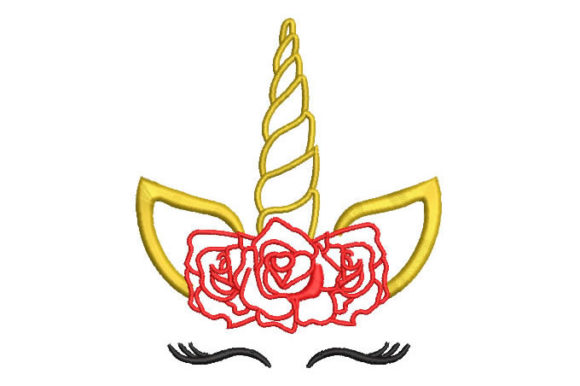
As an embroidery designer who spends countless hours digitizing and testing files for commercial use, I approach every new machine embroidery design with a critical eye. It is not just about whether a file looks cute on a screen; it is about how that digital embroidery file performs when stitched onto a cap, an apron, or a tote bag that represents a brand. Today, I am reviewing the Rainbow Unicorn, a piece categorized under Fairy Tales, to determine its viability for small business merch and branded applications.
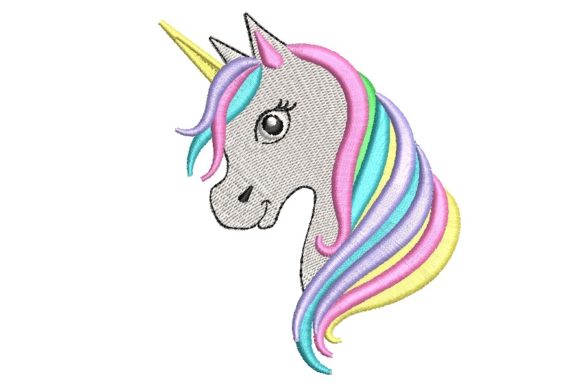
My first impression of the Rainbow Unicorn is that it exudes a playful and friendly energy. The description promises an "adorable" character intended to add wonder to fabric, which immediately signals its strength in markets targeting children, creative studios, bakeries, and boutique gift shops. However, for a professional embroidery shop or a handmade brand, "adorable" must also translate to "durable" and "versatile." The design feels decorative and whimsical, leaning heavily into a modern, cheerful aesthetic rather than a rustic or ultra-premium luxury feel. This makes it an excellent candidate for businesses wanting to project approachability and creativity.
Evaluating Real-World Business Applications
When considering where to deploy the Rainbow Unicorn, the potential uses are vast for the right niche. Imagine a local bakery or a pet grooming salon looking to upgrade their staff uniforms. This design could serve as a charming chest logo accent on a work shirt or a fun detail on the pocket of an apron. For a florist or a creative studio, stitching this onto canvas tote bags creates an instant tote bag design that customers will actually want to carry, turning them into walking advertisements.
The versatility extends to custom apparel lines. For Etsy sellers and crafters, this embroidery file is perfect for creating limited-run children's clothing or pajama sets. The description explicitly mentions room decor and children's clothing, suggesting the scale is appropriate for these items. Furthermore, for event merch, such as a birthday party favor or a community fair giveaway, the Rainbow Unicorn works beautifully as an embroidered patch. Patches are a low-risk way to test a design; they can be ironed or sewn onto hats, backpacks, or denim jackets, offering a high perceived value for a relatively low production cost.
In the realm of commercial embroidery, consistency is key. If a brand decides to use this unicorn across multiple touchpoints—from employee caps to product packaging accents—the visual consistency helps build brand identity. A cohesive look across different textures and garments reinforces customer trust and recognition. When a customer sees the same high-quality unicorn on your website mockup and then on the physical product they receive, it validates the professionalism of your handmade product line.
Technical Considerations and Placement Challenges
While the aesthetic appeal is strong, a professional review must address the technical limitations. The Rainbow Unicorn likely utilizes multiple thread colors to achieve its rainbow effect. This is visually stunning but introduces complexity. On dark uniforms or textured fabrics, you must ensure there is sufficient contrast. A common pitfall with multi-colored designs is that they can look muddy if the thread choices do not pop against the base material. Always create a printable mockup or do a physical test stitch on the actual fabric you intend to use before committing to a large run.
Size matters significantly here. If you plan to use this as a small patch or a subtle sleeve detail, you need to be wary of stitch density. Highly detailed outlines and tiny features can become a blob of thread if the design is scaled down too far. The description notes it comes in multiple sizes, which is a crucial feature for business use. However, you must verify the minimum hoop size required for the smallest iteration. If the design is too dense for a small hoop, it may cause puckering, especially on curved surfaces like the front of a cap. Cap embroidery requires specific digitizing techniques to handle the curve; ensure the file you purchase is optimized for this, or stick to flat applications like tote bags and aprons.
Additionally, consider the end-user experience. Items like aprons and work shirts undergo frequent washing. A design with many color changes and potential satin stitch columns needs to be secure. Using the proper stabilizer is non-negotiable. For stretchy fabrics like t-shirts, a cut-away stabilizer is often safer than tear-away to prevent distortion over time. If the design includes any fine lettering or intricate mane details, these are the first areas to degrade if the stitch count is too high or the fabric texture is too rough.
Impact on Brand Value and Customer Engagement
Integrating a character like the Rainbow Unicorn into your product line does more than just decorate an item; it adds personality. In a saturated market, small business merch needs to tell a story. A generic logo is functional, but a whimsical unicorn suggests that your brand values joy, creativity, and attention to detail. This emotional connection drives buyer engagement. Customers are more likely to share photos of a unique, colorful embroidered item on social media than a plain text logo, providing you with free marketing.
However, professionalism remains paramount. The execution must be flawless. Sloppy stitching or poor color matching can undermine the playful nature of the design, making it look cheap rather than charming. To maintain a premium feel, treat this design asset with the same rigor as your primary logo. Ensure the finished product looks intentional and polished. When done correctly, the Rainbow Unicorn elevates the perceived value of the item, allowing you to command a higher price point for your finished product.
Essential Designer Notes for Production
Before launching this design into your production queue, follow these practical steps to ensure success:
- Test in Black and White First: Convert the image to grayscale to check if the contrast holds up without relying on color. This helps identify if the shapes are distinct enough.
- Verify Small Scale Legibility: Stitch a sample at the smallest intended size to ensure details do not merge together.
- Review Thread Contrast: Select high-quality threads that offer vibrant saturation, especially for the rainbow elements.
- Inspect Spacing and Density: Check for excessive jump stitches or overly dense areas that could cause fabric stiffness.
- Confirm Hoop Compatibility: Ensure your machine and hoops can accommodate the largest version of the file without re-hooping.
- Test on Real Fabric: Never rely solely on screen simulations; stitch on the actual material (denim, cotton, polyester) you will sell.
- Use Proper Stabilizer: Match the stabilizer weight to the fabric type to prevent puckering or shifting.
- Create Client Mockups: Show clients how the design looks on their specific garments before final approval.
- Compare Design Assets: Place the unicorn next to your existing logos to ensure visual harmony within your brand family.
- Confirm Commercial Licensing: The description mentions multiple formats but does not explicitly state license terms. Always verify that the embroidery file includes a commercial license before using it for goods you intend to sell.
In conclusion, the Rainbow Unicorn is a potent tool for businesses in the Fairy Tales and creative sectors. It bridges the gap between whimsical art and functional branding. By respecting its technical requirements and strategically placing it on the right products, you can leverage this design to create memorable, high-value merchandise that resonates with your audience. Just remember to validate the technical specs provided in the file package, as details like exact stitch count and specific format compatibility are vital for a smooth production workflow.