Review: Standing Llama in the Field for Modern Stitchers
As a designer who spends more time at the hoop than away from it, I am always skeptical of "cute" animal designs that look great on a thumbnail but fall apart under the needle. However, when I first pulled up the Standing Llama in the Field file, the clean lines and classic redwork aesthetic immediately caught my eye. This isn't just another clip-art style conversion; it feels like a deliberate piece of art meant for serious embroidery projects. For those of us running small shops or creating high-end handmade goods, the difference between a novelty item and a sellable product often comes down to stitch quality and visual balance. This design leans heavily into the latter, offering a sophisticated take on the popular Farm Animals category.
The Aesthetic: Why Redwork Still Wins
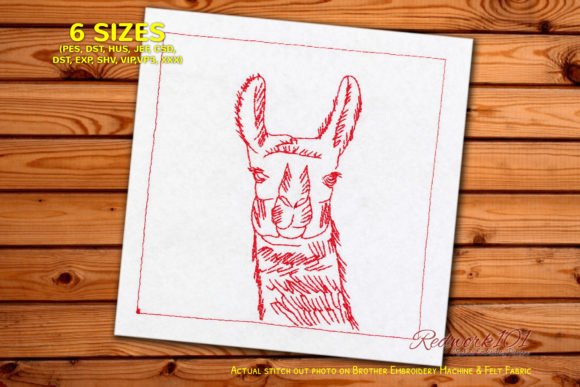
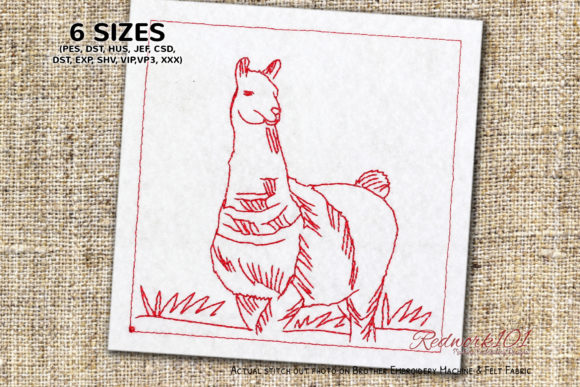
The mood this design creates is instantly calming and rustic. By utilizing a redwork style—typically single-color running stitches with minimal filling—the Standing Llama in the Field avoids the heaviness that often plagues dense digital embroidery files. The lack of heavy fill stitches means the fabric breathes, which is crucial if you are working with natural fibers like linen or cotton canvas. The silhouette of the llama is distinct without being overly complicated, making it an excellent candidate for both modern farmhouse decor and contemporary custom apparel.
What stands out most is the optional box stitch mentioned in the preview. As a reviewer, I appreciate when designers offer modular elements. This allows me to decide whether the llama needs a frame or if it stands better on its own. For a framed wall hanging, the box adds a finished, gallery-ready look. But for a tote bag design or a pocket accent on a denim jacket, removing that border keeps the aesthetic open and airy. This flexibility is gold for an Etsy seller who needs to adapt one asset across multiple product lines.
Real-World Application: From Mockup to Merchandise
To truly test the viability of this design, I envisioned a specific real-life scenario: a spring collection for a boutique baby shop. The goal was to create a line of organic cotton muslin swaddle blankets and matching bibs. The Standing Llama in the Field fit the brief perfectly. Because the design relies on outline work rather than solid blocks of color, it doesn't stiffen the delicate muslin fabric. A heavy satin stitch or dense fill would have made the blanket scratchy and uncomfortable for an infant, but this redwork approach maintains the soft hand-feel of the material.
Beyond baby items, I can see this thriving as sweatshirt embroidery. Imagine a heather grey crewneck with the llama stitched in a deep burgundy thread on the left chest. It's understated enough for daily wear but unique enough to serve as a brand identifier for a craft business. The simplicity of the lines ensures that even from a distance, the shape is recognizable. For holiday embroidery gifts, such as kitchen towels or aprons, the design holds up well against frequent washing because there are fewer thread ends to snag or fray compared to complex multi-color designs.
Navigating Fabric and Hoop Challenges
While the design is robust, practical application requires attention to detail. If you are planning to stitch this on textured fabrics like terry cloth towels or thick wool blends, you must be cautious. Running stitches, which define the redwork style, can get lost in high-pile textures. In these cases, I recommend using a heavier weight stabilizer underneath to keep the fabric flat and prevent the stitches from sinking in. Conversely, on very thin or stretchy fabrics, the tension of the running stitch could cause puckering if the hooping technique isn't precise.
Another consideration is the hoop size. While the design appears compact, always verify the specific dimensions in your machine software before committing. If you are attempting this on curved surfaces like caps, ensure the design fits within the limited vertical space of a cap frame. The legs of the standing llama need room to breathe; cramming them into a too-small hoop will distort the proportions and ruin the elegant stance of the animal. Always test on scrap fabric first, especially if you are altering the scale of the original embroidery file.
Commercial Value and Brand Consistency
For commercial embroidery professionals, consistency is key to building trust. The Standing Llama in the Field offers a level of professionalism that generic freebie files often lack. The lines are smooth, suggesting a well-digitized path that minimizes jumps and trims. This efficiency saves time during production, which directly impacts your bottom line. When a customer receives a personalized gift featuring clean, crisp stitching, it reinforces the perceived value of your brand.
Using this design in printable mockups for your online store is also a smart move. The clear outlines translate beautifully into digital previews, helping customers visualize the final product on custom apparel or home decor items. Whether you are selling the physical finished product or offering customization services, having a reliable go-to design in your library streamlines your workflow. It allows you to focus on marketing and customer service rather than troubleshooting stitch errors.
Final Designer Notes and Best Practices
Before launching this design into your production queue, there are a few housekeeping items to address. First, thread color contrast is vital for redwork. Since the design relies on a single color, choose a thread that pops against your background fabric. A classic red on white is timeless, but don't be afraid to experiment with navy on cream or forest green on tan for a more modern twist. Second, review the stitch density settings in your editing software. Even though it is an outline design, ensuring the running stitches are not too long will prevent looping on loose-weave fabrics.
Finally, always confirm the licensing terms provided with the download. While many designs allow for unlimited physical sales, some restrict the resale of the digital file itself or require attribution. Understanding these boundaries protects your craft business from legal issues down the road. The Standing Llama in the Field is a versatile, high-quality asset that bridges the gap between hobbyist fun and professional merchandise. With the right fabric choices and a bit of testing, it can become a staple in your portfolio of Farm Animals themed Embroidery works.