Review: People with a Range of Disabilities for Apparel
As an embroidery designer who spends countless hours digitizing and stitching for boutique brands, I am always on the lookout for machine embroidery design files that carry genuine emotional weight while maintaining technical excellence. Recently, I came across the People with a Range of Disabilities collection on Creative Fabrica, and it immediately caught my eye for a potential new capsule collection focused on awareness and inclusivity. This isn't just another decorative motif; it is a powerful statement piece intended to support people going through hard times. For those of us running small shops or Etsy stores, finding designs that blend meaningful messaging with high-quality stitch execution is the holy grail of custom apparel.
First Impressions and Visual Personality
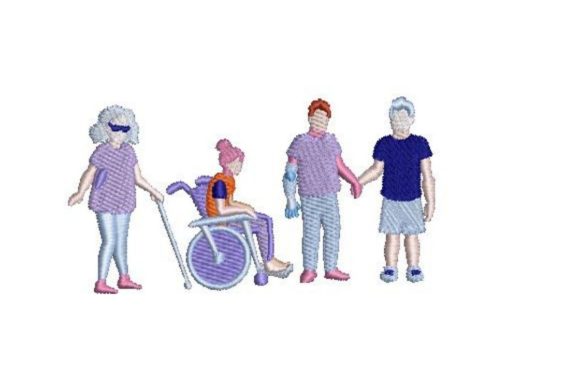
When I first opened the preview images for People with a Range of Disabilities, the visual personality struck me as both bold and compassionate. The design features multiple persons, creating a sense of community and shared experience rather than isolating a single condition. From a design judgment perspective, the artwork feels premium yet accessible. It avoids being overly cute or childish, which is crucial when targeting adult audiences for sweatshirt and hoodie projects. Instead, it leans towards a classic, trendy aesthetic that fits well within the current market demand for socially conscious fashion.
The detail level appears robust enough to hold up under scrutiny but not so dense that it becomes a stiff brick on soft fabrics. For a boutique brand, this balance is essential. You want the design to look professional in lifestyle product photos without overpowering the garment itself. The decorative strength of this embroidery file lies in its ability to convey a complex message through a unified visual language, making it an excellent candidate for collections aimed at raising awareness or simply showing solidarity.
Ideal Applications for Sweatshirts and Hoodies
In planning my hypothetical collection, I immediately envisioned this design on neutral sweatshirts and pastel hoodies. The concept of sweatshirt embroidery relies heavily on the contrast between the thread and the fabric texture. For a dark apparel piece, such as a charcoal or navy hoodie, using lighter thread colors from the design would make the figures pop, creating a striking chest placement. Conversely, on oversized garments in cream or oatmeal tones, the design could serve as a subtle back design, offering a large-scale statement that encourages conversation.
For sleeve accents, the versatility of the "multiple persons" layout allows for creative cropping or grouping. You might choose to highlight specific figures along the forearm of a long-sleeve tee or a denim jacket. This approach adds value to the finished product by making it feel like a custom, high-end item rather than a mass-produced good. When considering hoodie design trends, placing this awareness-focused art slightly off-center or near the hem can also create a modern, streetwear-inspired look that resonates with younger demographics on social media graphics and printable mockups.
Expanding Beyond Apparel: Totes and Accessories
While sweatshirts are the obvious choice, the utility of People with a Range of Disabilities extends to other handmade product categories. Tote bags are a fantastic medium for this type of Awareness messaging. A canvas tote with this embroidery creates a functional item that users can carry daily, effectively turning them into walking ambassadors for the cause. The durability of machine Embroidery ensures the design withstands the wear and tear of daily use better than printed ink.
For Etsy sellers looking to diversify their small shop product lines, applying this design to cozy seasonal outfits or even home decor items like pillow covers could broaden the customer base. The key is to maintain visual consistency across these different items so that the brand identity remains strong. Whether it is a t-shirt embroidery project or a heavy denim jacket, the design's adaptability supports a cohesive commercial embroidery strategy.
Technical Considerations and Fabric Challenges
Before committing to production, any experienced designer knows that thorough testing is non-negotiable. When working with People with a Range of Disabilities, special attention must be paid to where you place the design. Small chest placements on stretchy fabric require careful handling to prevent distortion. Fleece and ribbed fabric, common in hoodies, present unique challenges regarding stitch density. If the design is too dense, it may cause the fabric to pucker or the stitches to sink into the pile.
I strongly advise testing on scrap fabric that matches your final garment choice. Check your stabilizer choice meticulously; a cut-away stabilizer is often best for stretchy knits to provide lasting support, whereas a tear-away might suffice for woven denim jackets. Curved surfaces, like the shoulders of a sweatshirt or the sides of a tote bag, can cause registration issues if the hoop size is not appropriate. Since the product description mentions it comes with multiple embroidery files, you likely have size options, but you must confirm the specific hoop size requirements for each variant before purchasing.
Additionally, review the thread color contrast against your chosen garment colors. On dark garments, ensure there is enough underlay or satin stitching to prevent the fabric from showing through gaps. Tiny lettering, if included in the design variations, should be inspected closely to ensure legibility after stitching. Areas that may stretch or wrinkle during wear, such as the elbow or side seams, should generally be avoided for large, detailed sections of this design.
Enhancing Brand Value and Customer Trust
Integrating People with a Range of Disabilities into your product line can significantly affect your apparel value and brand identity. In today's market, buyers trust brands that demonstrate social responsibility. By offering products that support people facing hard times, you build buyer trust and foster deeper customer engagement. This design helps elevate your professional presentation, signaling that your boutique brand cares about more than just aesthetics.
Product recognition improves when you consistently use meaningful imagery. If customers associate your shop with high-quality, thoughtfully chosen digital embroidery file applications that champion inclusivity, they are more likely to return. For commercial embroidery products, this translates to higher perceived value, allowing for potentially better pricing margins. The emotional connection forged by this design can turn a simple transaction into a meaningful interaction, which is the cornerstone of successful handmade businesses.
Final Designer Notes and Licensing
As you prepare to bring this collection to life, remember to compare placement options on actual garments before finalizing your tech packs. What looks good on a screen might behave differently on a textured fleece. Always check the Creative Fabrica product details and licensing terms before selling finished apparel. While the description indicates it is suitable for commercial use, verifying the specific license regarding the number of physical items you can sell is a critical step for any serious entrepreneur.
Since the specific stitch count, exact file formats, and machine compatibility details were not explicitly listed in the brief summary, I advise readers to visit the product page to confirm these technical specifications match their equipment. Ensuring your machine can read the provided formats and that you have the correct hoops will save you time and frustration. With the right preparation and a respectful approach to the subject matter, People with a Range of Disabilities has the potential to be a standout piece in any custom apparel lineup, bridging the gap between artistic expression and social advocacy.