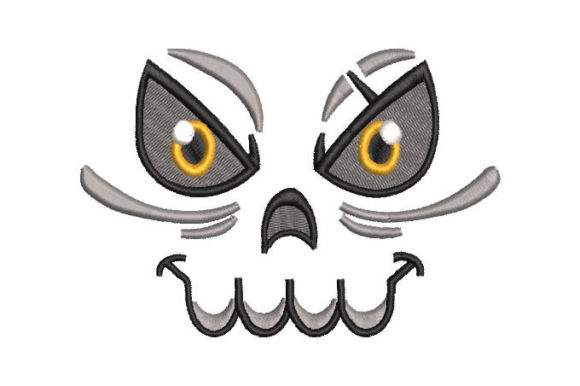
Ghost Face: A Bold Halloween Embroidery Review for Craft Fairs
As an experienced embroidery designer preparing for the upcoming weekend craft fair circuit, I spend a lot of time scrutinizing my digital embroidery file library. The goal is always to find designs that not only look good on a screen but translate into high-quality handmade product items that fly off the table. Recently, I pulled up the Ghost Face design to evaluate its potential for my Halloween booth. This isn't just about picking a spooky image; it is about assessing whether a specific machine embroidery design can carry a brand, attract customer attention, and withstand the rigors of batch production.
First Impressions and Market Appeal
The first thing that strikes me about Ghost Face is its versatility in mood. Based on the description promising a "cool" aesthetic, this design feels less like a terrifying horror element and more like a modern, festive accent. It hits that sweet spot between cute and edgy, which is crucial for appealing to a broad demographic at a craft fair. While some customers want gore, many are looking for Halloween decor that fits a farmhouse or contemporary home. Ghost Face seems to lean toward a decorative, minimal style that works well on various textiles without overwhelming the base material. For an Etsy seller or boutique maker, this adaptability is gold. It suggests the design can be marketed as a premium addition rather than a cheap novelty.
Performance Across Product Categories
When setting up a booth display, variety is key. I immediately started visualizing where Ghost Face would perform best. The description highlights its suitability for home decor, apparel, and accessories, so I tested these concepts mentally against my inventory.
- Tote Bags and Market Bags: This is likely the strongest contender. A large hoop placement of Ghost Face on a canvas tote creates an instant statement piece. The contrast of white or neon thread against black or orange fabric makes for a highly visible tote bag design that customers can spot from across the aisle.
- Aprons and Tea Towels: For the kitchen crowd, apron embroidery and tea towel embroidery are steady sellers. The design needs to be clean enough to survive frequent washing. If the stitch lines are distinct, Ghost Face adds a fun seasonal touch to hostess gifts.
- Caps and Patches: Smaller applications require scrutiny. An embroidered patch featuring this face could be a huge hit for younger buyers wanting to customize backpacks. However, applying it directly to a curved cap surface requires careful digitizing to avoid distortion.
- Pillow Covers and Pouches: These make excellent impulse buys. Placing Ghost Face as a focal point on a throw pillow cover transforms a basic item into a themed finished product ready for immediate home staging.
Practical Production and Selling Points
In the real world of commercial embroidery, efficiency matters just as much as aesthetics. One of the primary questions I ask is: how easy is this design to understand at a glance? Ghost Face appears to have a strong silhouette, which is vital for booth traffic. Customers walking by need to recognize the subject matter instantly. If a design is too abstract or cluttered, it gets ignored. Furthermore, for online listings, the design must photograph well. A bold face with clear definition translates beautifully into a printable mockup or a flat-lay photo for social media, enhancing the perceived value of the small shop product.
Another critical factor is repeatability. Can I run ten of these in a row without constant thread breaks or trimming nightmares? Designs that are optimized for batch production allow me to keep prices competitive while maintaining healthy margins. If Ghost Face utilizes standard thread colors and avoids excessive jumps, it becomes a reliable workhorse for the busy October season.
Critical Considerations for Execution
Despite its potential, there are technical hurdles to consider before hooping up. The description mentions the design comes in multiple sizes, but caution is advised regarding stitch density. Dense stitch areas can cause puckering, especially on lighter fabrics like tea towels or thin apparel blends. Conversely, if the design is scaled down too small for a patch or pocket accent, tiny details might merge together, losing the clarity of the "face."
Fabric texture also plays a massive role. On textured towels or thick fleece, the definition of Ghost Face might soften. When working with dark fabrics, underlay stitches become critical to prevent the background from showing through the design elements. Additionally, curved surfaces like caps present a challenge; the design must be digitized specifically for caps to account for the push-and-pull of the fabric during stitching.
Designer Notes for Success
To ensure Ghost Face becomes a best-seller rather than a scrap pile reject, I recommend a strict testing protocol. First, always test the design on scrap fabric that matches your intended sale items. Do not skip this step. Check the thread contrast; sometimes a slight shade change can make the design pop significantly more. Review the spacing between elements to ensure no threads bridge gaps unintentionally.
Confirm the required hoop size before committing to a large production run. You do not want to start a batch only to realize your current hoop cannot accommodate the largest version of the file. Equally important is selecting the right stabilizer. Cut-away stabilizer is often safer for apparel that will be worn and washed frequently, while tear-away might suffice for decorative home goods.
Create at least one real physical mockup before listing items online or setting up your booth. Photos of actual stitched items build more trust than digital renderings. Compare how the design looks on different fabric colors; a white ghost on black fabric reads very differently than on pastel purple. Finally, and most importantly, confirm the commercial licensing terms. The description notes it is a machine embroidery design, but you must verify that your purchase includes the right to sell finished physical goods at craft fairs and online stores.
By treating Ghost Face with this level of professional scrutiny, you transform a simple digital asset into a cohesive part of your brand identity. Whether it ends up on a trendy backpack or a cozy pillow, the quality of your execution determines whether it captures the spirit of the season and the wallets of your customers.