Cute Brown Fall Butterfly: A Designer's Review for Craft Fairs
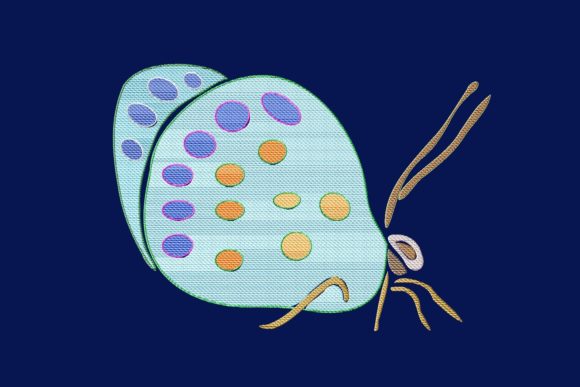
As an experienced embroidery designer preparing for the upcoming weekend craft fair circuit, my table strategy relies heavily on selecting designs that stop customers in their tracks. The Cute Brown Fall Butterfly has immediately caught my eye as a potential star performer for this autumn season. When evaluating a new machine embroidery design, I look beyond the digital preview; I need to know how it translates into a tangible handmade product that sells. This specific butterfly, categorized under Bugs and Embroidery, offers a rustic yet charming aesthetic that aligns perfectly with current market trends for cozy, nature-inspired decor.
First Impressions and Market Appeal
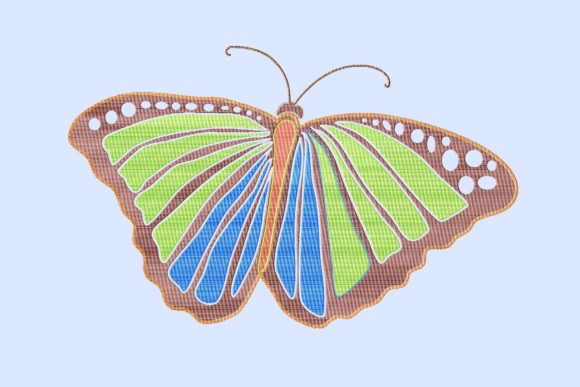
The initial visual impact of the Cute Brown Fall Butterfly is undeniably warm and inviting. Unlike bright, neon insects often seen in spring collections, this design leans into the earthy palette of autumn. It feels less like a scientific illustration and more like a decorative element suited for farmhouse or rustic-chic styles. For an Etsy seller or boutique maker, this mood is crucial. Customers browsing fall markets are looking for items that evoke feelings of warmth, harvest, and transition. The "cute" descriptor in the title suggests a softened silhouette, likely avoiding overly aggressive or realistic details that might clash with home decor. This makes it an ideal candidate for a wide demographic, from young families to grandmothers looking for seasonal accents.
Ideal Applications for Booth Displays
In planning my booth layout, I am visualizing exactly where this design will shine. The description notes that it stitches out perfectly on decorative pillows, curtains, and apparel, which gives me a clear roadmap for production. Here is how I plan to utilize this embroidery file across various products:
- Tote Bags and Market Bags: A large-scale version of the butterfly on a canvas tote creates an instant tote bag design that is both functional and fashionable. The brown tones pair beautifully with natural, unbleached canvas or deep olive greens.
- Apron Embroidery: Placing the design on the bib of a kitchen apron adds a whimsical touch. It transforms a standard utility item into a giftable piece, perfect for the hostess who loves baking pumpkin pies.
- Tea Towel Embroidery: This is likely the highest volume seller. A set of two linen tea towels featuring the butterfly offers an affordable entry point for customers who want to refresh their kitchen for fall without spending too much.
- Decorative Pillow Covers: As suggested in the product details, this is a primary use case. The design acts as a focal point on a solid-colored pillow, adding texture and dimension that prints simply cannot achieve.
- Embroidered Patches: If the stitch density allows, creating iron-on patches opens up a new revenue stream. Customers can apply these to denim jackets or backpacks, extending the life of the design beyond my immediate inventory.
Production Practicality and Batch Efficiency
For a craft fair vendor, time is money. The viability of the Cute Brown Fall Butterfly depends heavily on its production efficiency. A design that looks beautiful but takes four hours to stitch is not sustainable for a small shop product line intended for high-volume events. Assuming standard digitizing practices for this category, the design should offer a balance between detail and speed. The key is whether it works as a small accent or a large focal design. If the details are too minute, I risk thread breaks and excessive trim time. However, if the shapes are bold and well-defined, it becomes a repeatable asset for batch production, allowing me to hoop multiple caps or towels simultaneously.
Photography is another critical factor. In today's market, even physical sales are influenced by online presence. This design needs to photograph well for printable mockup creation and social media promotion. The contrast between the brown threads and the fabric background must be sharp enough to pop on a smartphone screen. A design that blends too much into the fabric texture will get lost in a feed, reducing buyer engagement before they even reach the booth.
Technical Considerations and Careful Use
While the potential is high, there are technical hurdles to clear before committing to a full production run. As a professional, I must advise caution regarding specific materials and machine settings. Here are the critical areas to evaluate:
- Fabric Texture and Density: Textured towels, such as waffle weave or heavy terry cloth, can obscure fine details. If the stitch density of the butterfly is too low, the loops of the towel may peek through, ruining the clean lines of the wings. Testing on scrap fabric identical to the final product is non-negotiable.
- Curved Surfaces: Applying this to caps requires careful attention. The curved surface of a baseball cap can distort the design if the hoop size and framing are not precise. Small details in the antennae or wing patterns might compress or stretch.
- Dark Fabric Challenges: While brown thread is versatile, placing it on very dark fabrics like navy or black may result in a loss of definition. Ensuring sufficient thread contrast is vital for the design to remain visible and appealing.
- Small Lettering and Tiny Details: If the design includes any integrated text or extremely fine vein work in the wings, these elements may not stitch out clearly at smaller sizes. It is often better to simplify the design for smaller applications like pouches or pockets.
Maximizing Value and Brand Consistency
Integrating the Cute Brown Fall Butterfly into a product line does more than just add an item to the shelf; it strengthens brand consistency. For a handmade shop, having a cohesive theme across different products—aprons, pillows, and bags—creates a professional booth display strength. It signals to the customer that the maker has a curated vision. This visual appeal directly impacts product value; customers are often willing to pay a premium for items that feel thoughtfully designed rather than randomly assembled.
Furthermore, this design serves as excellent design assets for marketing. It can be used in email newsletters, Instagram stories, and window displays to signal the arrival of fall collections. The emotional connection people have with butterflies and the changing seasons drives buyer engagement, turning casual browsers into purchasers.
Final Designer Notes and Licensing
Before launching this commercial embroidery project, there are essential steps every creator must take. First, always verify the commercial licensing terms included with the digital embroidery file. Not all files allow for unlimited sales of finished products, and violating these terms can jeopardize a business. Second, create at least one real mockup before listing items for sale. Digital previews rarely capture how light interacts with thread sheen or how the fabric drapes after stitching.
Review your thread colors against the actual fabric swatches. Sometimes a "brown" thread can read as muddy or gray depending on the lighting of your booth. Finally, confirm the required hoop size and ensure you have the correct stabilizer for your chosen material. Whether using cut-away for stretchy knits or tear-away for stable wovens, the right foundation ensures the finished product maintains its shape and quality wash after wash.
In conclusion, the Cute Brown Fall Butterfly represents a strategic addition to any fall inventory. Its versatility across home decor and apparel, combined with its seasonal emotional resonance, makes it a strong contender for craft fair success. By paying attention to technical details and understanding the target audience, embroidery business owners can leverage this design to create best-selling handmade products that resonate with customers seeking the comfort of autumn.