Candy Cane with Bow for Christmas: A Pro Review
As an embroidery designer who spends most of my days digitizing logos and prepping files for commercial production, I approach every new machine embroidery design with a critical eye. It is not just about whether a pattern looks cute on a screen; it is about how it performs under the needle, how it wears after fifty washes, and whether it elevates a brand's identity. Recently, I reviewed the Candy Cane with Bow for Christmas design, specifically evaluating its potential for small business merchandise, branded patches, and seasonal uniform accents. This is not a review for a hobbyist looking to decorate a pillowcase; this is an assessment for shop owners, apparel decorators, and Etsy sellers who need reliable design assets that drive sales.
First Impressions: Visual Personality and Brand Fit
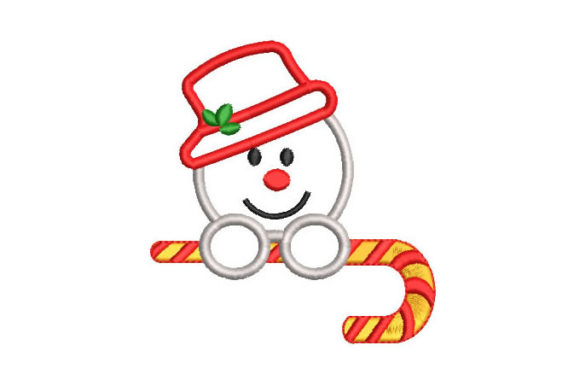
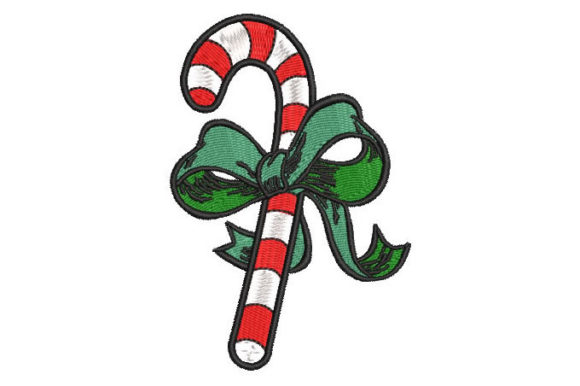
Upon loading the preview of the Candy Cane with Bow for Christmas, the immediate impression is one of classic festive charm mixed with a touch of elegance. The inclusion of the bow softens the traditional candy cane shape, moving it away from a purely childish aesthetic toward something more boutique-friendly. For a bakery, a florist, or a handmade gift shop, this visual personality is crucial. It feels warm and inviting without being overly cartoonish, which makes it versatile for various brand identity strategies.
The design strikes a balance between playful and premium. For businesses selling handmade product lines, this specific look can signal attention to detail. It suggests that the brand cares about the finishing touches, much like the bow on the cane itself. However, designers must consider their specific niche. While it works beautifully for a coffee shop holiday menu or a pet brand's seasonal collar tag, it might feel too decorative for a corporate law firm's holiday card. Understanding this visual language is the first step in deciding if this digital embroidery file fits your client's portfolio.
Real-World Application in Small Business Merch
The true test of any embroidery file is its application on actual goods. The Candy Cane with Bow for Christmas shines when used as a focal point on custom apparel and accessories. Here is how I see this design performing in a commercial setting:
- Embroidered Patches: This is perhaps the strongest use case. The distinct outline of the cane and the defined loops of the bow translate well into a patch format. Small businesses can order runs of these patches to sell as add-ons or to attach to denim jackets and tote bags.
- Staff Uniforms and Aprons: For cafes and boutiques, apron embroidery is a staple. Placing this design on the bib of an apron or the chest pocket of a work shirt adds immediate seasonal flair. It helps staff feel part of the holiday spirit while maintaining a professional appearance.
- Cap Embroidery: The curved nature of a candy cane complements the curve of a baseball cap front. It serves as an excellent alternative to a full-text logo for limited-edition holiday headwear.
- Tote Bag Design: Canvas totes are huge for retail. A centered placement of this motif creates a ready-to-gift item that customers love during the holidays.
When used as a finished product accent, such as on packaging tags or limited-run merchandise, this design enhances perceived value. Customers are often willing to pay a premium for items that feature high-quality embroidery rather than printed graphics, and this design supports that upsell.
Technical Considerations and Production Challenges
While the aesthetic is strong, a professional reviewer must address the technical realities of stitching this design. The description notes it comes with multiple formats, but before running a production batch, you must verify the stitch density. High-density areas, particularly where the bow overlaps the cane, can cause puckering on lightweight fabrics like poly-cotton blends commonly used for shirts.
There are specific scenarios where caution is required:
- Small Patch Sizes: If you intend to scale this down for a small label or a tiny patch, ensure the details of the bow do not merge. Fine details can get lost if the hoop size limits the resolution or if the thread thickness is too heavy for the scaled-down version.
- Curved Surfaces: When applying this to caps or rounded tumblers (if using a specialized frame), the alignment of the straight cane against the curve requires precise hooping. Misalignment here can make the design look crooked, damaging the professional look.
- Fabric Texture: On highly textured fabrics like wool sweaters or terry cloth towels, the fine outlines of the bow might get swallowed by the fabric pile. Always test on the exact material you plan to sell.
- Dark Uniforms: The classic red and white color scheme is iconic, but on black or navy uniforms, you must ensure the white threads have enough coverage. You may need to adjust the thread colors or add an underlay to prevent the dark fabric from showing through the white stripes.
Furthermore, items that undergo frequent washing, such as staff aprons, require a robust stabilizer. Without proper backing, the repeated friction of washing can cause the satin stitches of the bow to fray or the candy cane outline to distort.
Impact on Brand Identity and Customer Trust
In the competitive landscape of small business merch, consistency is key. Using a cohesive design like the Candy Cane with Bow for Christmas across different touchpoints—from the barista's apron to the holiday gift bag—reinforces brand recognition. It tells the customer that the business is active, current, and engaged with the season.
Moreover, high-quality embroidery signals durability and care. When a customer receives a tote bag with a crisp, well-stitched candy cane, they associate that quality with the brand itself. It builds trust. Conversely, a poorly executed embroidery job with loose threads or puckering can detract from the brand's image. Therefore, treating this file as a serious component of your commercial embroidery workflow is essential. It is not just decoration; it is a tool for customer engagement and retention.
Professional Designer Notes for Implementation
Before you commit to producing hundreds of units or listing this as a new product in your Etsy shop, follow these practical steps to ensure success:
- Test in Black and White: Print a printable mockup or stitch a sample in monochrome first. This helps you verify the shape integrity without the distraction of color.
- Check Scalability: Confirm that the design holds up at the smallest size you intend to use, especially for patch applications.
- Review Thread Contrast: Ensure the red and white (or your chosen palette) provides sufficient contrast against your base fabric.
- Inspect Spacing: Look closely at the gap between the bow and the cane. If it is too tight, it may cause thread breaks or bird-nesting.
- Verify Licensing: Since this is for business use, double-check the license terms included with the embroidery file. Ensure you have the rights for commercial sales and unlimited production runs.
- Create Client Mockups: Before final approval, present a digital or physical mockup to your client so they can visualize the finished product.
The product description mentions multiple file formats, which is excellent for compatibility, but always open the specific file for your machine to check for any conversion errors. By treating the Candy Cane with Bow for Christmas with this level of professional scrutiny, you transform a simple holiday graphic into a profitable, brand-building asset for your business.